A sump pump is a valuable tool for protecting your basement from flooding and water damage. There are two common types of sump pumps to choose from: pedestal and submersible sump pumps. Both are effective at removing water from a sump pit, but they differ in terms of design, functionality, and other aspects.
This post breaks down the key differences between pedestal and submersible sump pumps. You’ll learn how each type of sump pump works, its advantages & disadvantages, and which type works best for your home. As a trusted plumbing repair service, we are here to help you make the best choice for your home.
Pedestal Sump Pumps
A pedestal sump pump is elevated off the ground, and only the pump intake is submerged. The motor sits above the pit with a lengthy shaft connecting the motor to the pump at the bottom of the pit. Pedestal sump pumps are ideal for narrow or shallow sump pits. They last longer, are easier to maintain, and cost less than their submersible counterparts. However, these units come with their limitations. Firstly, they have a lower capacity, meaning they tend to struggle to handle high volumes of water compared to submersible pumps. Secondly, they are louder, especially when they are not properly maintained. If you’re looking to install a pedestal sump pump in your home, seek help from a local plumbing repair service.
Submersible Sump Pumps
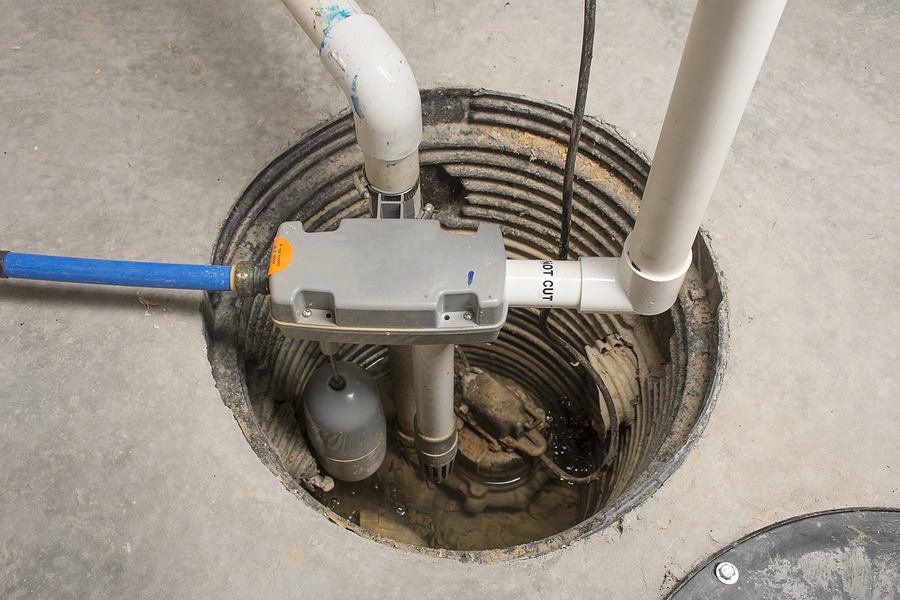
Unlike pedestal sump pumps, submersible systems are fully submerged in water, operating silently from the bottom of the basin. The entire assembly, consisting of the motor and pump, is fully submerged. This design contributes to the pump’s effectiveness and efficiency, prevents overheating, and saves space. Submersible sump pumps are highly efficient and can handle larger volumes of water, making them an ideal option for high-risk flood areas and finished basements. However, these systems can be harder to repair and service and tend to wear out faster due to constant exposure to water.
Performance Comparison
When it comes to performance, submersible pumps generally outperform pedestal pumps — especially when handling large volumes of water. Their placement in the sump pit allows them to activate sooner and move water more efficiently. This advantage is particularly noticeable during sudden, heavy downpours when quick water removal is critical.
Pedestal pumps, while suitable for lighter duty, may lag behind during peak inflow because their impellers sit closer to the pit’s bottom and are not optimized for higher flow rates.
Life Expectancy and Maintenance
Submersible pumps typically have a longer lifespan because the water around the unit helps keep the motor cool. However, because they operate in water that may contain debris, they can require more frequent cleaning or maintenance to prevent clogs.
Pedestal pumps are easier to access for routine checks and repairs but may wear out sooner if used in demanding conditions. Get in touch with a qualified plumber for routine sump pump maintenance and watch out for signs of malfunctioning to avoid sudden breakdown.
Do You Need Sump Pump Repair Service? Contact Mr. Rooter Plumbing Today
If you’re looking to install a sump pump system in your home, reach out to Mr. Rooter Plumbing for help. As a locally owned and operated plumbing company, we pride ourselves on installing and serving all types of sump pumps. Our plumbers also specialize in sump pump repair, helping homeowners keep their systems in great shape. If your sump pump runs continuously, makes unusual noises, or vibrates excessively during operation, we are here to help. Contact us today to schedule an appointment with our plumbers for sump pump installation or repair.