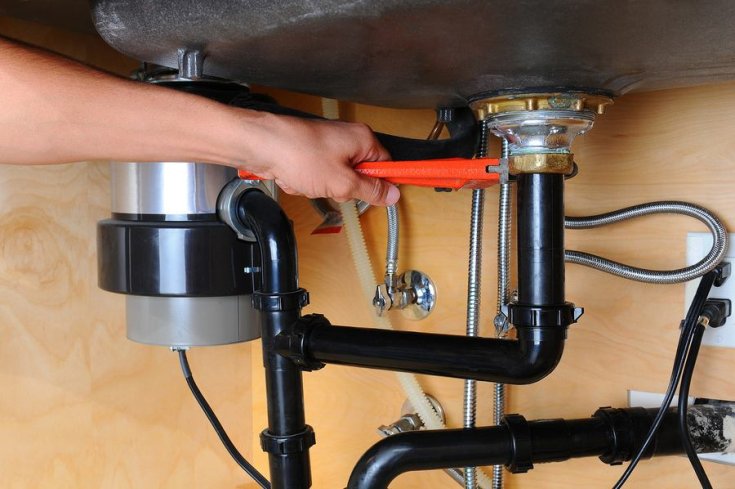
Slow bathroom drains is a common frustrating issue that many homeowners deal with from time to time. Soap scum, strands of hair, debris, and gunk can build up in the drain line and cause clogs. Nothing is more frustrating than water pooling around your feet instead of immediately draining away as it should.
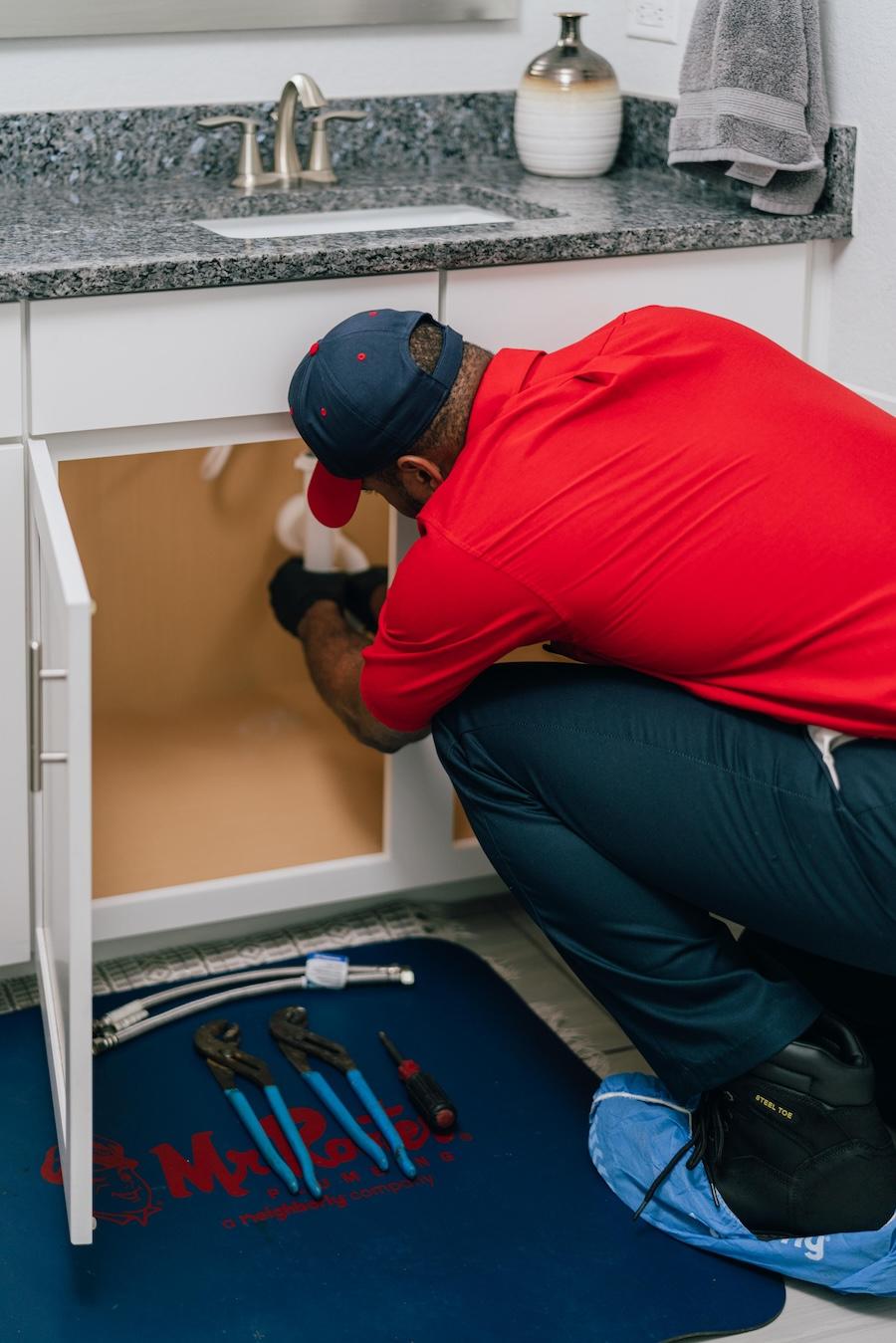
Knowing the common causes of slow bathroom drains and when to schedule plumbing repair service can help you avoid more serious problems. Our team at Mr. Rooter Plumbing is always here to help. In this blog post, we break down the common culprits behind clogged bathroom drains.
Hair is one of the leading causes of slow bathroom drains, especially in showers and tubs. Over time, hair strands bind together and trap soap residue, forming stubborn clogs inside the drain pipe. Simple habits like brushing your hair before showering can help prevent hair buildup in your bathroom drains.
- Soap Scum and Product Residue
Soap, shampoo, conditioner, and body wash leave behind residue as they move through your pipes. This residue, known as soap scum, can harden and stick to the interior walls of the drain. When combined with hair and dirt, soap scum creates thick blockages that slow water movement and reduce pipe diameter. It’s a good idea to install drain covers and flush your bathroom drains with hot water at least once every two weeks.
- Mineral Buildup From Hard Water
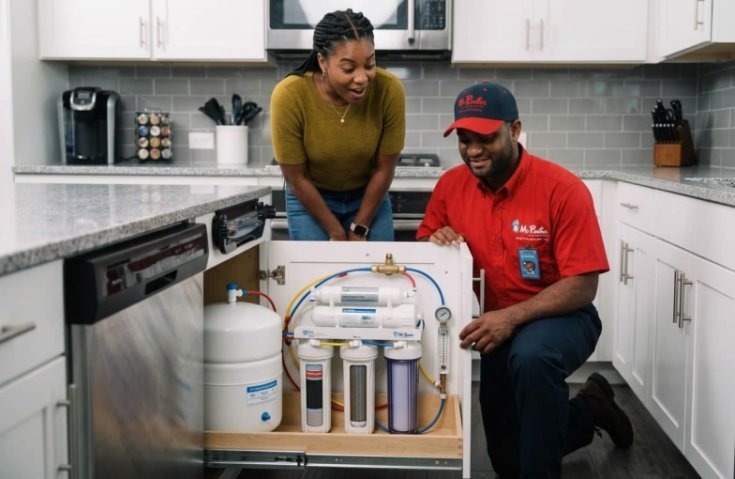
Homes with hard water often experience slow drains due to mineral deposits. Calcium and magnesium accumulate inside pipes, narrowing the passage over time. This buildup can restrict water flow and make clogs more likely. Hard water problems tend to worsen gradually, making them harder to detect until drainage noticeably slows. Installing a water softener is a long-term solution to this problem. Call a local plumber to test your water and help you select the right water softening system for your needs.
Bathroom drains are designed to handle water and limited organic waste—not everything people put down them. Items such as wipes, cotton swabs, dental floss, paper towels, and hygiene products can lodge inside pipes and create blockages. Even products labeled “flushable” can contribute to slow drains when used frequently. Stick to flushing human waste and toilet paper to prevent drain line blockages.
- Poor Venting or Plumbing Design Issues
Plumbing systems rely on vent pipes to allow air into the system, helping wastewater flow smoothly. If a vent pipe is blocked or improperly installed, drains may empty slowly and produce gurgling sounds. Older homes may also have outdated or poorly sloped drain lines that prevent water from flowing efficiently.
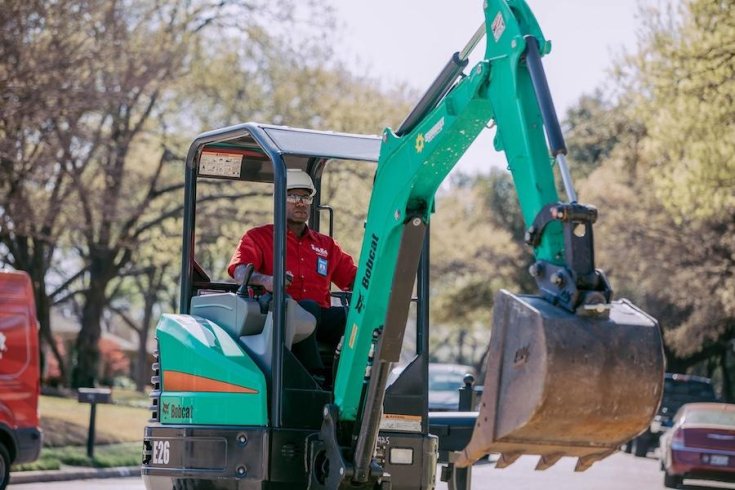
In some cases, slow bathroom drains are caused by issues deeper in the drain line system. Tree roots can infiltrate underground sewer lines through small cracks or joints, restricting wastewater flow. This problem affects multiple drains throughout the home and typically worsens over time.
Older drain lines are more susceptible to corrosion, scaling, and pipe damage. Cast iron and galvanized pipes, in particular, can corrode internally and lead to rough surfaces that catch debris. Cracks, sagging pipes, or collapsed sections can also reduce flow and cause persistent drainage problems. If your pipes have seen better days, we recommend you call a local plumbing repair service to repipe your home.
Do You Need Clogged Drain Repair? Contact Mr. Rooter Plumbing Today
If your bathroom drains are clogged and you’ve tried all the DIY drain solutions you can think of, call Mr. Rooter Plumbing for clogged drain repair. With decades of experience and state-of-the-art tools, we’ll keep your drains in top shape and restore your peace of mind. Contact us now to speak with one of our licensed plumbers about your slow-drain issue.