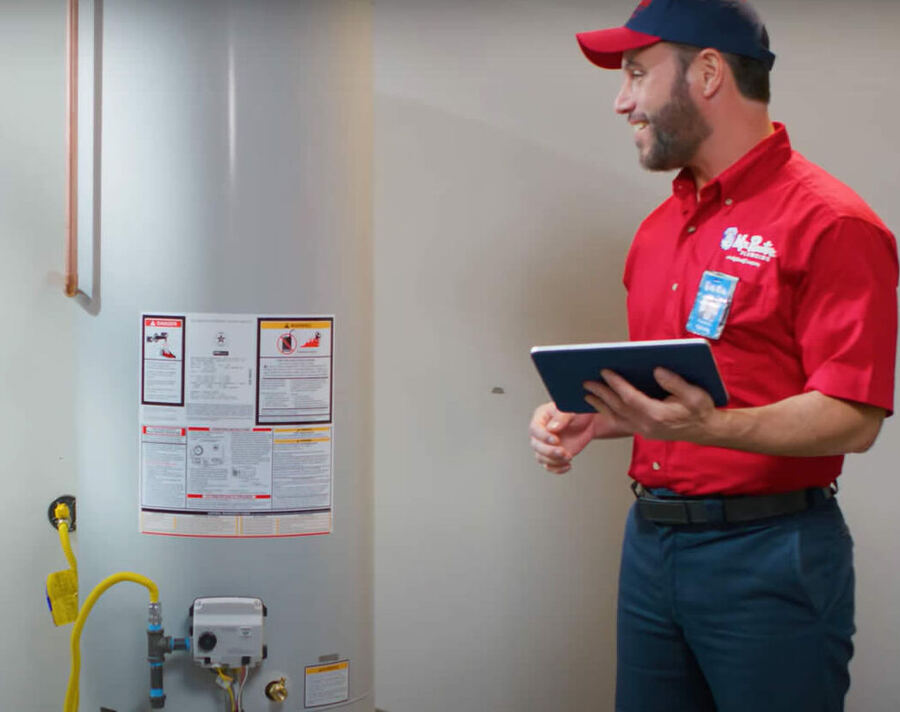
Have you noticed water pooling around the base of your water heater? Are there visible drips or streams of water on the appliance? If so, you probably have a water heater leak that needs to be fixed by a qualified plumber before it causes expensive water damage. A water heater usually develops leaks at the base, the T&P valve, and the cold and hot water inlet connections.
Regardless of the source of a water heater leak, it’s important to schedule water heater repair as quickly as possible. Small leaks can worsen over time and damage the flooring and baseboards. In this blog post, Mr. Rooter Plumbing outlines the steps to take when you notice a water heater leak.
- Turn Off the Power Supply
If you have an electric water heater, locate the circuit breaker panel and switch off the breaker connected to the heater. For gas models, turn the gas supply valve to the "off" position. Never try to work on or near a leaking water heater with the power still on. You’re dealing with both water and electricity—a dangerous combination. Your safety should always come first before you attempt any inspection.
- Shut Off the Water Supply
The next step is to stop the water flow. Find the cold water shut-off valve located at the top of your water heater. Turn it clockwise to stop water from entering the tank. If the valve is stuck or hard to reach due to flooding, you may need to shut off your home’s main water supply instead.
If the leak is significant and water continues to pool, drain the tank to prevent further damage. Attach a garden hose to the drain valve at the bottom of the tank and run it to a floor drain, tub, or outside. Open the valve and allow the tank to empty. Be careful when draining the tank—if the water is still hot, it can burn you.
- Pinpoint the Source of the Leak
Not all leaks mean a full tank replacement. Inspect around the inlet and outlet pipes, the T&P valve, the drain valve, and the bottom of the tank. Sometimes, a leaky pipe joint or loose valve is the culprit. Other times, a corroded tank is to blame, which means replacement is likely.
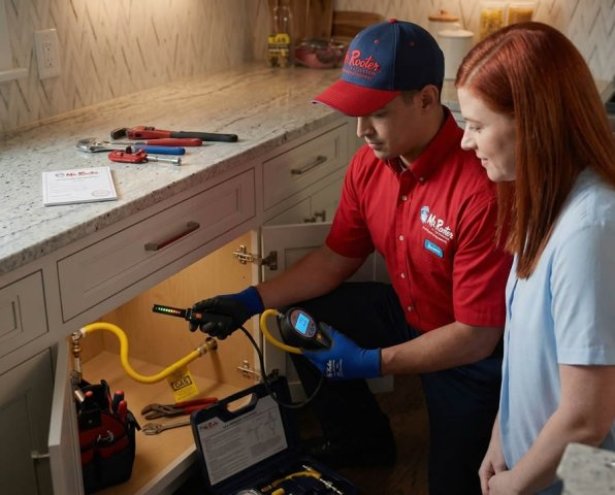
If you’re unsure where it’s coming from, place paper towels in different spots and check for wet spots after a few minutes. It’s a simple trick that can help identify the leak’s origin. Alternatively, you can save yourself the trouble and call a leak detection specialist to help you identify the source of the water heater leak.
- Call a Professional Plumber
Even if you think it’s a small fix, it’s always a good idea to call a licensed plumbing repair service. Professionals can accurately diagnose the issue, offer solutions, and make repairs. They’ll also let you know if it’s time for a full replacement—especially if your unit is more than 10 years old.
As you wait for a plumbing repair service to arrive, use a mop, towels, or a wet/dry vacuum to soak up standing water. Run fans or a dehumidifier in the area to reduce moisture. The quicker you dry things out, the less likely you are to deal with mold or long-term structural damage.
Reach Out To Mr. Rooter Plumbing for Water Heater Repair Service
Mr. Rooter Plumbing has been providing reliable and affordable water heater repair services for decades. Our team has seen it all and fixed it all when it comes to water heater issues, from a broken heating element to sediment buildup to water leaks. If you’re looking for an experienced plumber in Nashville to diagnose and repair your water heater issues, we are one phone call away.